








Drones Are Changing the Game in Building Inspections

By Brian A. Glover, IT Manager and Drone Pilot
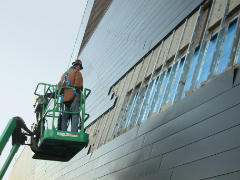
When it comes to inspecting building facades, precision matters—and so does efficiency. Traditional methods like scaffolding or lifts get the job done, but they can be time-consuming, costly, and sometimes even dangerous.
Enter drones: the smarter, faster, and safer way to get a closer look.
Why Leave the Ground?
Getting above the ground used to mean hauling out heavy equipment, navigating difficult terrain, and dealing with logistical headaches. Drones eliminate most of that. With just a small team and a launch pad, inspectors can capture high-resolution imagery of an entire building—top to bottom—in a fraction of the time.
Whether you’re surveying a multi-story office building or assessing damage on a historic facade, drones give you rapid access to critical visual data. And when combined with traditional tools, they become a powerful force multiplier—helping teams pinpoint areas that need closer investigation.
Cost Comparison: Drones vs. Traditional Equipment
Let’s talk numbers.
In 2024, a typical 40-foot lift rental runs hundreds of dollars per day with hundreds more in transportation fees. The result can be more than $1,000 for just one day of inspection.
A drone, on the other hand, can be about a third of that cost.
Same day. Same building. Dramatically less hassle.
More Than Just Cost Savings
The advantages of drones go beyond the budget line:
- Minimal setup and lead time
- No terrain limitations
- Flexible repositioning between flights
- No added cost for weather delays
- Increased safety—inspectors stay on the ground
- Full visibility, even in hard-to-reach areas
- Full access to the facade, regardless of the building height
- Create 3D models and CAD-ready visuals
- Faster data collection and turnaround
Yes, Drones Have Limits—But They’re Manageable
Like any tool, drones have constraints. FAA flight restrictions might apply in some areas (especially near airports or sensitive sites), and inclement weather like high winds or rain can ground a flight. And while drones can’t physically touch materials, they’re excellent for identifying where a closer, hands-on inspection is needed—saving time and effort overall.
The Bottom Line
Using drones for building inspections is no longer a novelty—it’s a strategic advantage. With faster deployment, reduced costs, safer operations, and high-quality visual data, drones are setting a new standard in facade assessments.
Ready to elevate your inspections?